

TMJ Treatment Greensboro
Addressing Jaw Pain at Its Source

Waking up with frequent morning headaches, experiencing difficulty opening and closing your mouth, and dealing with a painful clicking and popping noise each time you yawn or try to eat – these are just a few of the many symptoms commonly associated with temporomandibular joint (TMJ) disorder. Dr. Fisher and our team want to help by addressing jaw pain at its source, so if you are ready to do something about the struggles you’re experiencing with your TMJ, call us today.
Why Choose Dr. David M. Fisher, Jr. for TMJ Treatment?
- 50+ Years of Service to Greensboro Residents
- Dentist with More Than Two Decades of Experience
- Locally Owned and Operated Dental Practice
What Is TMJ Disorder?
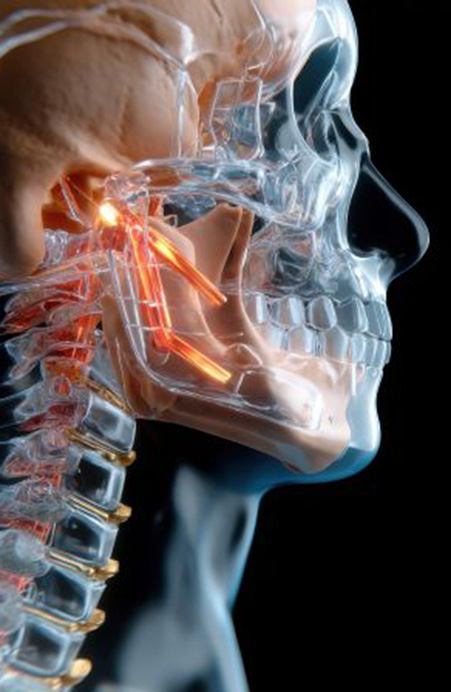
Your temporomandibular joints (TMJs) are located just in front of your ears. Their job is to control movement of your lower jaw. When they become inflamed or damage, you may start to experience the range of symptoms that are associated with TMJ disorder (TMD).
TMD can afflict virtually anyone, and it can have quite a few different causes. For example, it may be due to an injury, dental misalignment, teeth grinding, muscle tension, or other issues. In some cases, no clear cause is readily identifiable.
Symptoms of TMJ Disorder
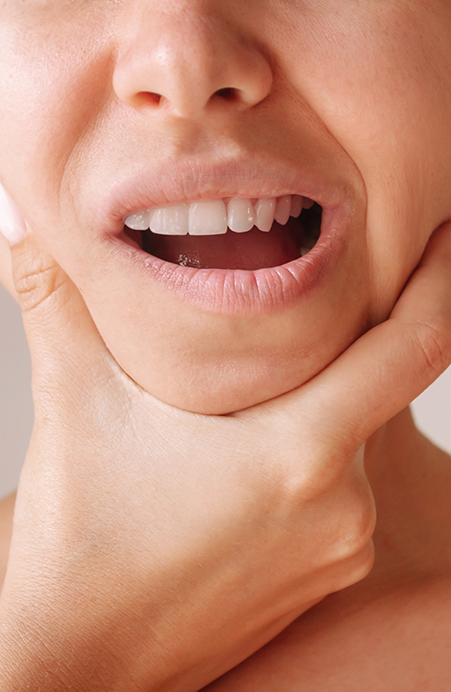
Although some symptoms of TMJ disorder are more noticeable than others, it’s important to know what to look for should you think you might need the help of a professional. These symptoms include:
- Pain throughout the jaw, neck, shoulders, and head
- Difficulty opening and closing the mouth
- Frequent morning headaches
- A misaligned bite
- Worn-down tooth enamel
- Popping and/or clicking noise when opening the mouth
- Lockjaw
-
Fatigued jaw
TMJ Treatment Options
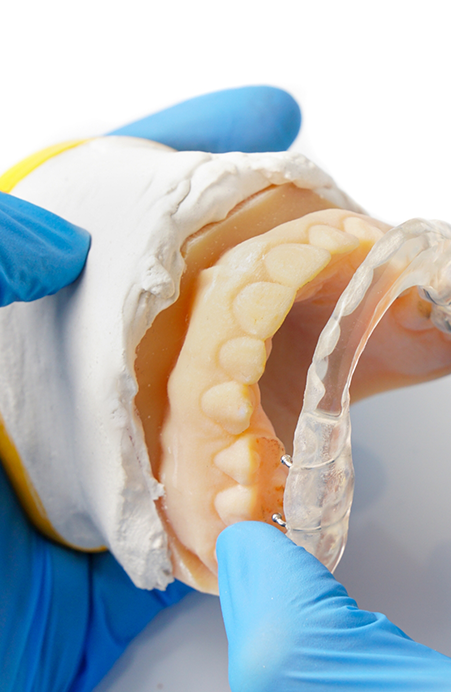
When treating TMJ, Dr. Fisher will need to identify the underlying cause of the problem. Because it can be the result of teeth grinding and clenching, excessive stress, a misaligned bite, and even facial trauma, knowing the reason for the jaw pain is essential.
Some of the most effective forms of treatment we provide in-house include:
- Occlusal Adjustments/Equilibration – If a misaligned bite is to blame, your teeth will not line up properly, which will likely cause added stress on the jaw joints. By targeting specific teeth and altering them just enough, we can create a more seamless and smooth bite that alleviates TMJ pain.
- Occlusal Splints – When teeth grinding and clenching seem to be the issue, a customized occlusal splint can be created to help establish a barrier between the upper and lower rows of teeth. Not only will it reduce enamel wear and tear but also alleviate tension and pain on the jaw joints.
TMJ Treatment FAQs
Can TMJ disorder be cured permanently?
Dr. Fisher and our Greensboro team want to help you find long-term relief from TMJ disorder. That is why we seek to address the root cause of the problem rather than simply focusing on symptoms. Often, patients who comply with our recommended treatment program find that their discomfort goes away and stays away.
However, keep in mind that, even with successful treatment, TMD might flare up again in the future. It may occur due to new injuries, arthritis, a particularly stressful time in life, or other factors. If that happens to you, reach out to our team for additional assistance.
Is TMJ treatment safe?
Yes, TMJ treatment is generally very safe. Our team uses minimally invasive methods with very low levels of risk. While some patients experience mild soreness or other side effects as they adjust to treatment, these issues tend to be both tolerable and temporary.
Of course, some treatments carry a higher level of risk than others. For example, some patients with severe TMD require surgery, and any invasive procedure has at least a small risk of infection and other complications.
If you have questions about the potential risks and benefits of your treatment plan, please feel free to ask!
How long does TMJ treatment take?
Many patients notice a positive difference very soon after they start treatment. For example, you may experience less pain after just a few days of wearing your occlusal splint, though it could take several weeks or even a few months before you achieve the best possible results.
Similarly, you might notice less pain very soon after your occlusal adjustment. Keep in mind, though, that it could take a few appointments for us to complete the entire adjustment process.
Can TMJ disorder be treated without surgery?
Yes! Most cases of TMD respond very well to conservative, minimally invasive care. Only in rare instances is TMD severe enough that surgical intervention is the best course of action.
If we believe that you might benefit from TMJ surgery, we will help you find a trustworthy local specialist who will examine your jaw joints and help you understand the details of your recommended procedure.